How to Ship Bulk Cargo in the Philippines: A Step-by-Step Guide for Traders & Businesses
Learn the safe step-by-step process of bulk cargo shipping in the Philippines, from choosing the right vessel to preventing spoilage.
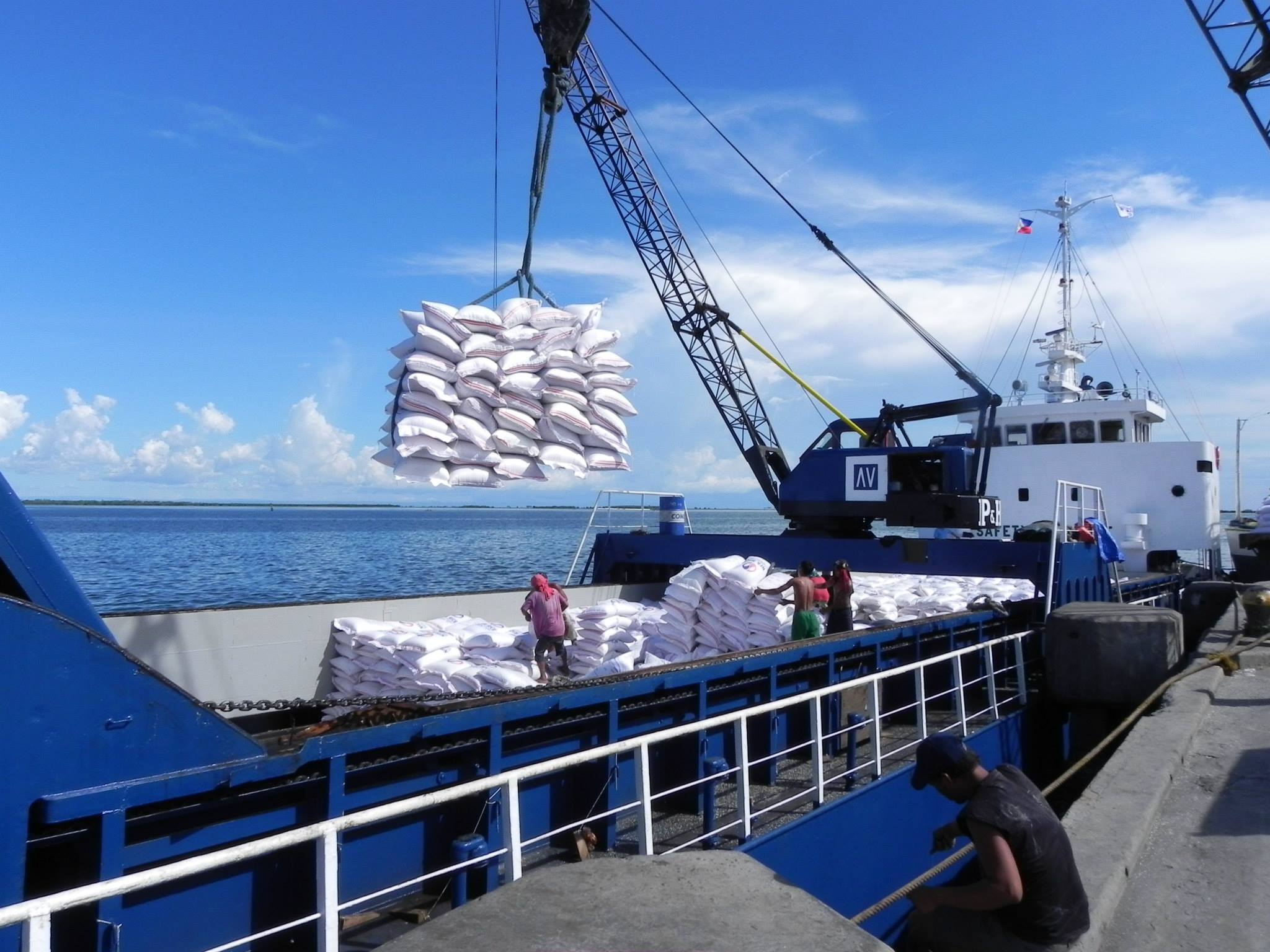
Shipping large quantities of goods across the Philippine archipelago isn’t as simple as booking a courier. Whether you are moving thousands of sacks of rice from Luzon to Mindanao, or transporting raw cement for a construction project in Cebu, the logistics can be complex.
One mistake—like choosing the wrong vessel type or poor handling during loading—can lead to cargo spoilage, delays, and massive financial loss.
As one of the premier logistics companies in the Philippines, Avega Bros Integrated Shipping handles thousands of metric tons of cargo weekly. Here is our professional guide on how to ship bulk cargo safely and efficiently.
Step 1: Determine if You Need “Bulk” or “Break Bulk”
Before calling a shipping company, you need to classify your cargo. This determines the handling method.
- Loose Bulk: Cargo shipped loosely without packaging (e.g., sand, gravel, coal, mineral ores).
- Break Bulk: Cargo that is packaged in bags, crates, or drums (e.g., sacks of rice, bagged cement, fertilizer, animal feeds).
Pro Tip: If you are shipping food-grade items like rice or corn, you absolutely need a vessel that guarantees protection from moisture.
Step 2: Choose the Right Vessel (The Most Critical Step)
Not all shipments require the same asset. At Avega, we offer three distinct vessel categories depending on your volume, budget, and destination facilities.
A. For Speed & Independence: Self-Propelled Cargo Vessels
If you need faster transit times or are shipping direct port-to-port without the need for tug assistance, a Self-Propelled Cargo Vessel is your best choice.
- Best for: Time-sensitive deliveries, inter-island trade routes, and long-haul transport (e.g., Manila to GenSan).
- Why choose it: These vessels operate independently, making them faster and more agile than towed barges.
B. For Volume & Cost-Efficiency: Barges (Hatch & Deck)
If you are moving massive volume and cost is the priority, a barge is the industry standard.
- Hatch Barges: Essential for agri-products (rice, corn, sugar). They feature sealed covers that make the hold water-tight, protecting goods from rain and sea spray.
- Deck Barges: Ideal for aggregates, sand, and weather-resilient bulk.
C. For Ports Without Equipment: Crane-Equipped (“Geared”) Vessels
This is a game-changer. Many smaller ports in the Philippines lack shore cranes.
- The Solution: We operate both Cargo Vessels and Barges equipped with onboard cranes (such as P&H and IHI series).
- The Benefit: We can perform self-loading and unloading. You don’t need to rent expensive mobile cranes at the pier—our ship does the lifting for you. Perfect for heavy equipment, steel products, and project cargo in remote areas.
Step 3: Plan the “First Mile” and “Last Mile” (ICHS)
Shipping is more than just the sea voyage. How does the cargo get from your warehouse to the port?
This is where Integrated Cargo Handling Services (ICHS) comes in. Instead of hiring a trucking company, a stevedoring firm, and a shipping line separately, look for a provider who does it all.
- Trucking: Pickup from your warehouse.
- Arrastre & Stevedoring: Professional manpower to load the vessel efficiently.
- Warehousing: Temporary storage if the vessel isn’t ready.
Step 4: Prioritize Cargo Safety & Monitoring
The biggest fear in domestic shipping is losing track of your shipment. Modern logistics requires modern tech.
Ensure your provider offers real-time tracking. Avega Bros uses the STARS System (Ship Tracking and Reporting System), utilizing GPS vessel tracking and Starlink internet connectivity. This allows us to monitor weather patterns and divert vessels if a typhoon approaches, ensuring your cargo stays safe.
Summary: The Checklist for Safe Shipping
- Classify Cargo: Is it loose bulk or bagged break bulk?
- Select Vessel:
- Need speed? Choose a Self-Propelled Cargo Vessel.
- Need volume? Choose a Hatch Barge.
- No port crane? Choose a Vessel with Onboard Crane.
- Verify Tech: Does the shipper use GPS tracking?
- Book Early: Peak seasons (harvest times) fill up fast.
Need to Move Cargo?
Don’t risk spoilage or delays. Avega Bros Integrated Shipping offers the most reliable bulk cargo transport in the country. From our fast cargo vessels to our crane-equipped fleet, we have the right asset to get it done.
[Button: Request a Quote] Visit our operations centers in Makati, Tayud Cebu, or contact us online.